
2026 FIFA World Cup Schedule Calendar: Key Dates & Phase Overview
In-depth analysis of the expanded 48-team tournament timeline, from opening ceremony to final, with precise key dates and potential knockout stage matchups for your tactical planning.
Get the official 2026 FIFA World Cup schedule with key dates, match calendar and time zone conversion guide for the USA, Canada and Mexico tournament. Plan your viewing across all time zones.
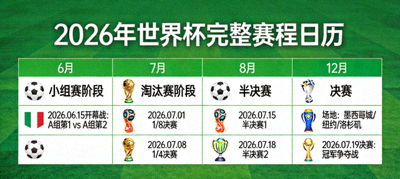
In-depth analysis of the expanded 48-team tournament timeline, from opening ceremony to final, with precise key dates and potential knockout stage matchups for your tactical planning.
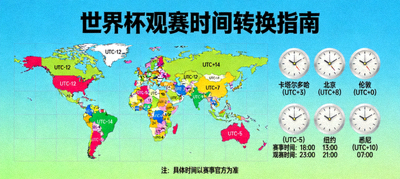
Essential time zone guide for fans in Asia, Europe and Americas. Includes daily prime viewing windows and recommended matches based on kick-off times across USA, Canada and Mexico.
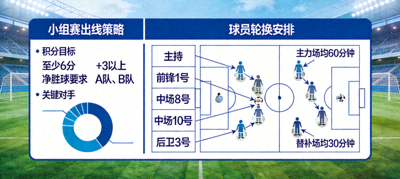
Analyzing how top teams plan squad rotation and underdogs exploit schedule gaps. See the tactical implications hidden in the fixture list.
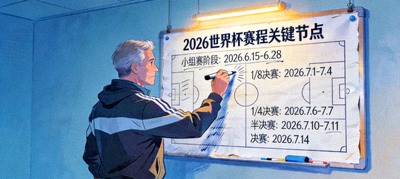
Breaking down the schedule by team preparation phases: squad assembly, acclimatization, group stage intervals and knockout readiness. Understand how fixture timing affects team performance.
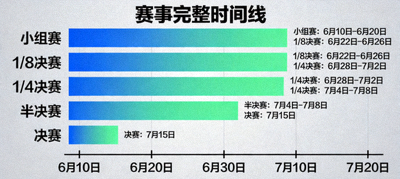
Day-by-day and phase-by-phase match schedule with kick-off times in local and UTC. The authoritative time guide for planning full tournament or selected match viewing.
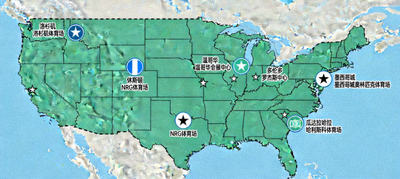
Detailed guide to 16 host cities: stadium features, climate conditions and assigned match phases. Includes transport, accommodation and schedule-linked travel tips for on-site fans.
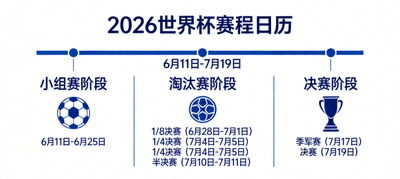
Data visualization of the tournament schedule. Quickly grasp group stage and knockout round start and end dates. A practical printable overview for every fan.

Analysis of kick-off time patterns across venues, exploring how East-West coast time differences affect scheduling. Evaluate viewing experience and transport convenience for each stadium.
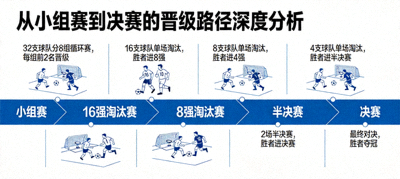
Beyond simple timings: analyze schedule density, rest days impact on different playing styles, and predict which teams might benefit from the fixture list to become 'dark horses'.
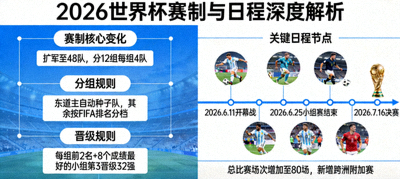
Multi-dimensional analysis of the historic tri-nation, 48-team schedule: historical context, commercial logic and competitive balance considerations behind the fixture list.
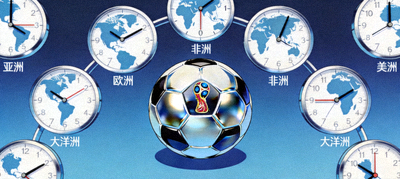
Not just conversion tools: analyze how FIFA balances global TV markets when scheduling matches. Predict which time slots will become 'diamond viewing windows' with highest ratings.

Simulating knockout paths based on different group rankings. Using historical data to analyze which half could become the 'group of death' and how the schedule silently influences the champion.